

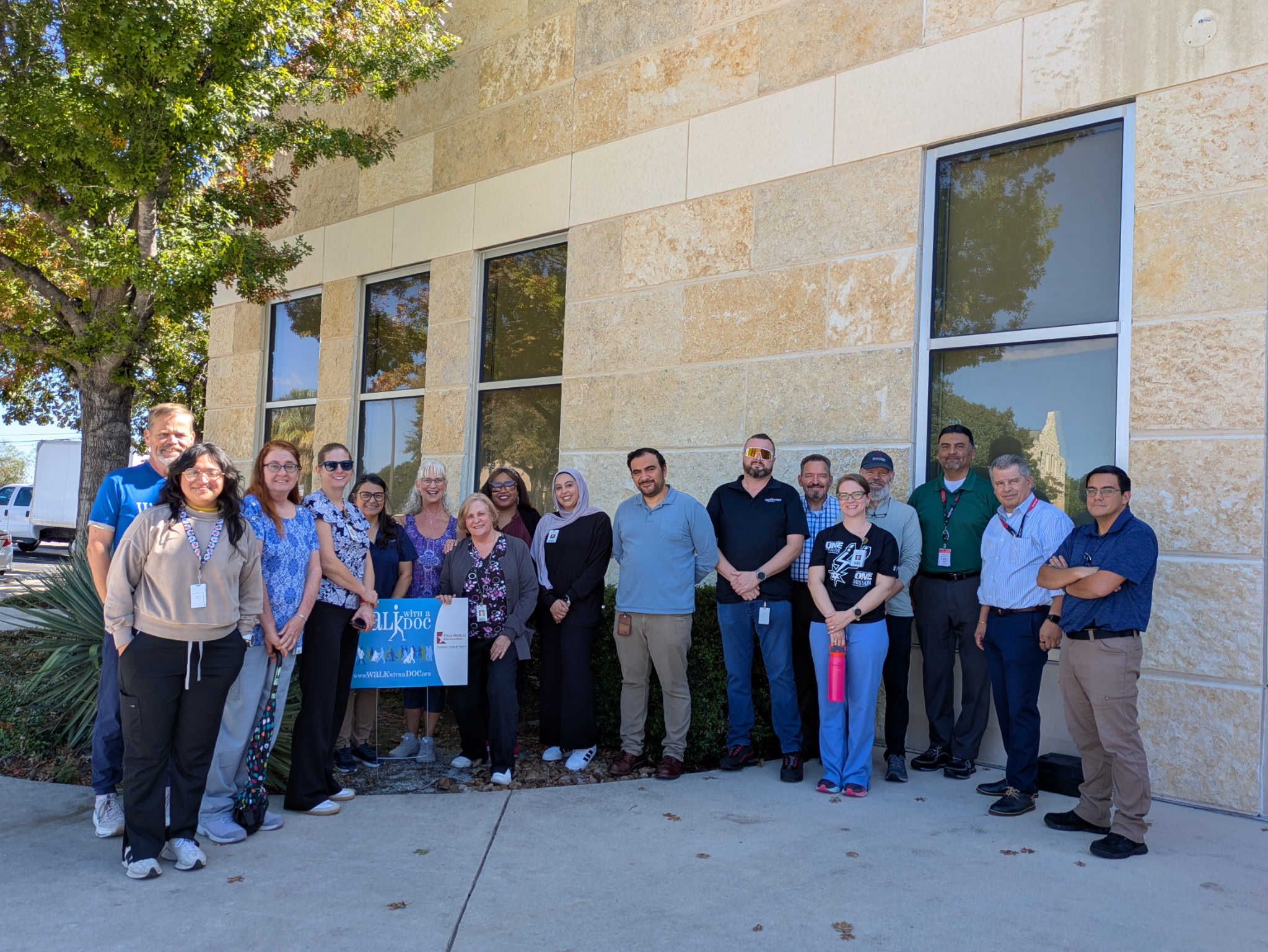
Good morning!
Is it just me, or has getting out of bed gotten a little harder lately? A couple of nights since the time change, 5:35, and OMG, it feels like bedtime. The couch and Krissy’s (my librarian wife) handmade blanket are winning a lot more arguments than they did in July.
That’s November in Ohio.
This upcoming change in seasons can affect us more than we realize. Less daylight and colder weather might influence our mood, energy, sleep, and motivation. For many, it’s a mild case of the winter blues. For others, it can be something more significant called Seasonal Affective Disorder (yes, SAD).
SAD is a type of depression that follows a seasonal pattern. It most commonly begins in fall or winter and improves in spring. Researchers believe that reduced exposure to sunlight can disrupt our internal body clock and affect brain chemicals involved in regulating mood and sleep.
What does it look like? You might notice that you’re:
- Feeling down, sluggish, or more tired than usual.
- Sleeping more but still waking up exhausted.
- Craving carbohydrates or noticing changes in your appetite.
- Losing interest in things you usually enjoy.
- Having a hard time concentrating.
- Pulling away from friends and family.
SAD isn’t the same as simply not liking winter. If these symptoms stick around or start getting in the way of everyday life, bring it up with your healthcare professional and/or your WWAD leader.
So what helps? A few ideas for getting through the next few months:
Get outside. Surprisingly, even on a gray, overcast day, outdoor light is generally much brighter than the lighting in our kitchen or office. A morning walk, a lap around the block at lunch, or coffee on the porch all count. Feel free to bundle up. It doesn’t need to be 75 and sunny to be worthwhile.
Keep moving. You know, because you’ve felt it, physical activity is great for our mood. Walking is of course as simple as it gets. It’s free, no special equipment, and is accessible to many. No marathon is necessary. If you are just getting re-started, try 5-10 minutes (okay, fine, 10 minutes) after a meal. Have you tried the 5-second rule? Not the food-off-the-floor one, but if you’re trying to motivate yourself, say, ‘in the next 5 seconds I’m going to go over there and put my shoes on’. I use it to get out of the shower (mmm…hot showers), and it works!
See people. If we had to pick just one item from this list, it might be this one. When you’re feeling low, canceling plans and staying home can sound pretty (or amazingly!) appealing. But withdrawing from others can make things worse. Call a friend (we don’t use the phone to call enough, IMO). Grab lunch with someone. Join a walking group (get it?). Chat with your neighbor. A little time with others goes further than we think.
Ask about light therapy. Light therapy is one of the better-established treatments for winter-pattern SAD. It typically involves sitting near a specially designed light box (usually 10,000 lux) for about 20 to 30 minutes in the morning. A couple of extra lamps won’t do the same thing. Check with your healthcare professional first, especially if you have certain eye conditions, take medications that increase light sensitivity, or have a history of bipolar disorder.
Put something on the calendar. Stick to your routines as best you can. Cook something new (with shrimp or without – amazing). Start a book (old school!). Plan a weekend away or pick up a hobby you’ve been meaning to try. Make plans with friends, even on the nights you’d rather stay in. Having something to look forward to can make winter feel a lot shorter.
One more thing: If your symptoms persist or get worse, don’t just grit your teeth and wait for spring. Counseling, medication, and light therapy are all legitimate treatment options. Your healthcare professional can help you figure out what makes sense.
More Light, More Togetherness
For us at Walk with a Doc, the ‘walk’ has never been just about the step count. Well, okay, it was for the first week in April 2005, but then I realized how interesting fellow wwad’ers were. It’s a chance to get some fresh air, meet new people, have a conversation, learn something, and belong.
That matters all year. In the middle of winter, it might matter even more.
So here’s our challenge to you this season: Get outside and move a little more. Bring a friend along. Look up a Walk with a Doc chapter near you. And if there isn’t one, think about starting one. Lmk if you’re WWAD-curious; I know people.
We can’t do much about the weather. But we can decide how we spend our time.
And here’s the good news: December 21 is the shortest day of the year. After that, the days start getting longer again.
Stay Hungry, Stay Foolish.
david
This one didn’t seem foolish, seemed a little, I don’t know, well whatever.
David Sabgir, MD, FACC
Cardiologist and Founder/CEO of Walk with a Doc
About Walk with a Doc:
As an international non-profit organization, Walk with a Doc is committed to inspiring communities through movement and conversation with walking groups led by local doctors, healthcare providers, or medical students.
Started in 2005 by Dr. David Sabgir, a cardiologist in Columbus, Ohio, the program now extends to hundreds of communities throughout the world. The walks are a fun, free, and safe place to get physical activity, learn tips for healthy living, and meet new people.
Learn more at www.walkwithadoc.org